Jan 20, 2026
Ferrari F430 Buyer Guide: The Final Gated V8
Master the Ferrari F430. The last gated manual V8, featuring a chain-driven engine and advanced track-ready tech.
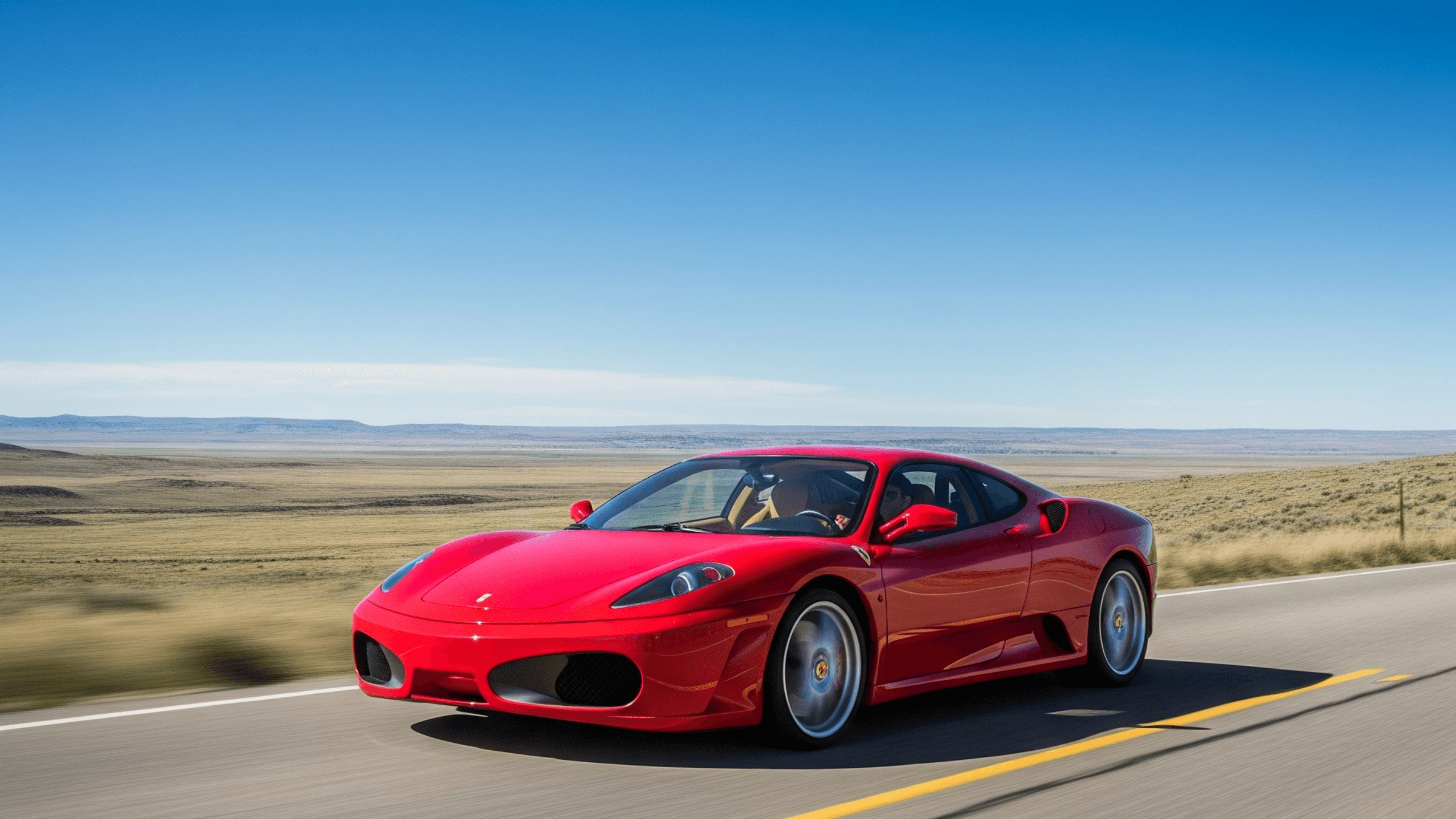
The Ferrari F430, internally designated as Type F131, represents a landmark shift in the history of Maranello. Produced from 2005 to 2009, it bridged the gap between the analog era and the modern age of digital integration. It introduced the F136 V8 engine architecture and the first implementation of the electronic differential in a road car. For many enthusiasts, the F430 is the sweet spot of the V8 lineage, offering the last opportunity to own a mid-engine Ferrari with a factory gated manual transmission.
Model Overview: The Evolution of Type F131
The F430 succeeded the 360 Modena and improved upon nearly every performance metric. While it utilized a similar Alcoa aluminum chassis, the bodywork designed by Pininfarina was significantly more aggressive. The front intakes were inspired by the 156 Sharknose Formula 1 car, and the rear featured Enzo-style taillights.1 The lineup consisted of the Berlinetta (Coupe) and the Spider, both featuring the same high-revving powertrain.
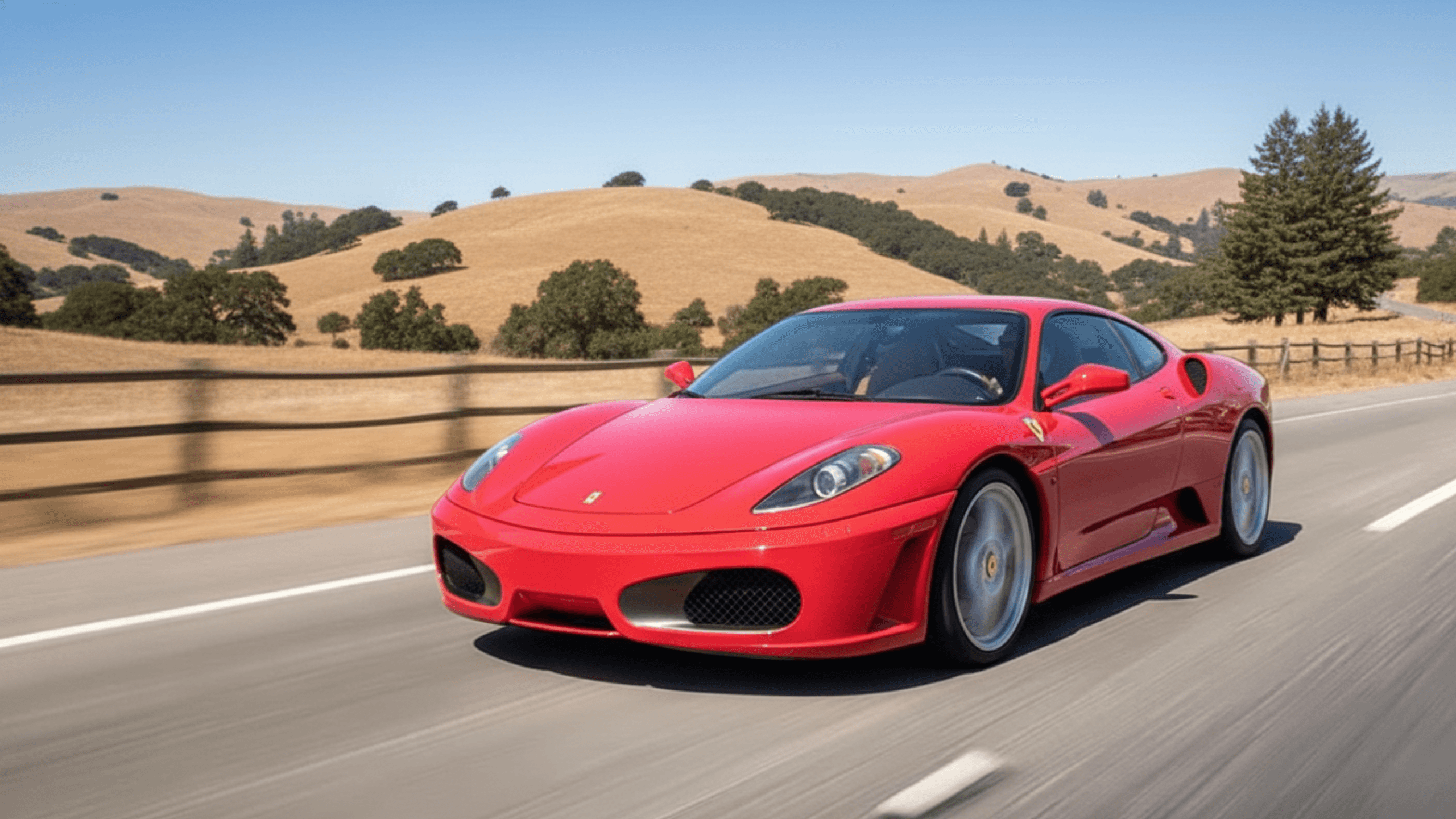
In late 2007, Ferrari made carbon-ceramic brakes standard equipment. Buyers should distinguish between early 2005 to 2007 cars and late 2008 to 2009 cars, as the latter often include factory refinements to the exhaust system and interior electronics.
Engine and Drivetrain: The F136 V8 Revolution
The F136 V8 engine was a clean-sheet design that moved away from the Dino-derived architecture used for five decades. This 4.3 liter unit produces 483 horsepower and 343 lb-ft of torque.
Mechanical Vulnerabilities and Improvements
Timing Chains: Unlike the 360 Modena, the F430 uses chain-driven camshafts. This eliminates the expensive three-year timing belt service, significantly reducing long-term maintenance costs.
Exhaust Manifolds (Headers): The most common failure point. The factory headers are prone to cracking due to heat cycles. Cracked headers can cause exhaust leaks or lead to engine damage if ceramic material from the pre-catalytic converters is ingested.
Cam Variators: Some early production cars suffered from variator failures. Ensure the service history shows that any relevant campaigns or recalls were addressed.
Transmission Comparison: Gated Manual vs. F1
6-Speed Gated Manual: Highly rare, representing roughly 10 percent of production. These models command a massive market premium and offer the most engaging driving experience.
F1 Automated Manual: A single-clutch system that shifts in 150 milliseconds. While advanced for its time, it requires monitoring of the hydraulic pump, accumulator, and actuator. The accumulator typically has a ten-year lifespan.
Transmission Item | Service Interval | Estimated Cost (USD) |
F1 Clutch Replacement | 15k to 25k miles | 5,000 to 8,000 |
F1 Pump / Accumulator | 10 Years | 1,500 to 2,500 |
Gearbox Fluid Change | 3 Years | 600 to 1,000 |
Chassis and Handling: E-Diff and Manettino
The F430 was a pioneer in electronic driver aids. The E-Diff uses hydraulic pressure to vary the locking percentage of the rear differential, maximizing traction out of corners.
Key Performance Innovations
The Manettino: A steering wheel dial that adjusts the stability control, damping, E-Diff, and shift speed.4 This system is robust but relies on the health of various sensors.
Active Suspension: The F430 uses Skyhook dampers.5 Inspect for leaks at each corner, as replacements are expensive.
Ball Joints: The suspension ball joints are known wear items and should be treated as consumables. Worn joints result in a vague steering feel and audible clunking.
Exterior and Body: Aluminum Construction
The aluminum bodyshell is resistant to rust, but paint quality and structural integrity remain important.
Paint and Finish: Check for bubbling on the front bumper and around the door handles. Ferrari paint can be thin, and many cars have had front-end resprays due to stone chips.
Spider Top: The convertible roof is complex. Test the cycle multiple times. Hydraulic leaks or faulty seat potentiometers can prevent the roof from opening or closing.
Carbon Fiber Exterior Trim: Optional carbon rear grilles (Challenge grilles) are highly desirable and improve engine bay heat dissipation.
Interior and Electronics: The Sticky Button Issue
While the cabin is a mix of high-quality leather and aluminum, it suffers from a pervasive material defect common to Ferraris of this era.
Sticky Plastics: The soft-touch coating on buttons and switches degrades over time, becoming a viscous, black residue. Professional refinishing is the only permanent solution.
Dashboard Leather: The leather on the dashboard can shrink if exposed to excessive UV heat, pulling away from the defroster vents.
Electrical Gremlins: Most intermittent electrical issues are caused by a weak battery. The F430 is sensitive to voltage drops and should always be kept on a battery tender.
Maintenance History and Documentation
A comprehensive service history is non-negotiable for a Ferrari purchase. Because the F430 uses a timing chain, the major service is less daunting than in previous models, but annual fluid changes remain critical.
What to Verify in the Service Binder
Exhaust Headers: Look for receipts for updated OEM headers or high-quality aftermarket units like Fabspeed or Capristo.
Clutch Wear Report: For F1 cars, a technician must provide a percentage wear reading from the SD3 diagnostic tool.
E-Diff Service: Documentation of regular hydraulic fluid flushes is vital to prevent solenoid failure.
Recalls: Ensure the brake fluid reservoir cap and fuel line recalls have been performed.
Master Tech Tip: A car that is driven regularly is often more reliable than a garage queen. Long periods of disuse lead to seized brake calipers, degraded seals, and contaminated fluids.
The Enthusiast Market: Value Drivers and Trends
The F430 is currently in a phase of steady appreciation, particularly for specific configurations.
Key Factors for Collectibility
The Manual Premium: Genuine gated manual cars can sell for 100,000 dollars or more above the price of an equivalent F1 car.
Manual Swaps: Companies like EAG perform high-quality manual conversions. While these are desirable for drivers, they do not command the same price as an original factory manual car.
Carbon Ceramic Brakes (CCB): Cars built from 2008 onward have CCBs as standard. Earlier cars with this option carry a slight premium but watch for rotor wear, as replacement sets can cost 10,000 dollars.
Colors: Traditional Rosso Corsa over Tan remains the most liquid combination. Rare colors like Tour de France Blue or Grigio Silverstone are increasingly popular among serious collectors.
Model Variant | Current Market Range (USD) |
F1 Coupe | 120,000 to 160,000 |
F1 Spider | 115,000 to 155,000 |
Gated Manual (Berlinetta) | 250,000 to 350,000+ |