Jan 20, 2026
BMW E46 M3 Buyer Guide: The Definitive Enthusiast Manual
Master the iconic BMW E46 M3 with a guide to its 8,000 RPM redline, S54 engine health, and sharp handling dynamics.
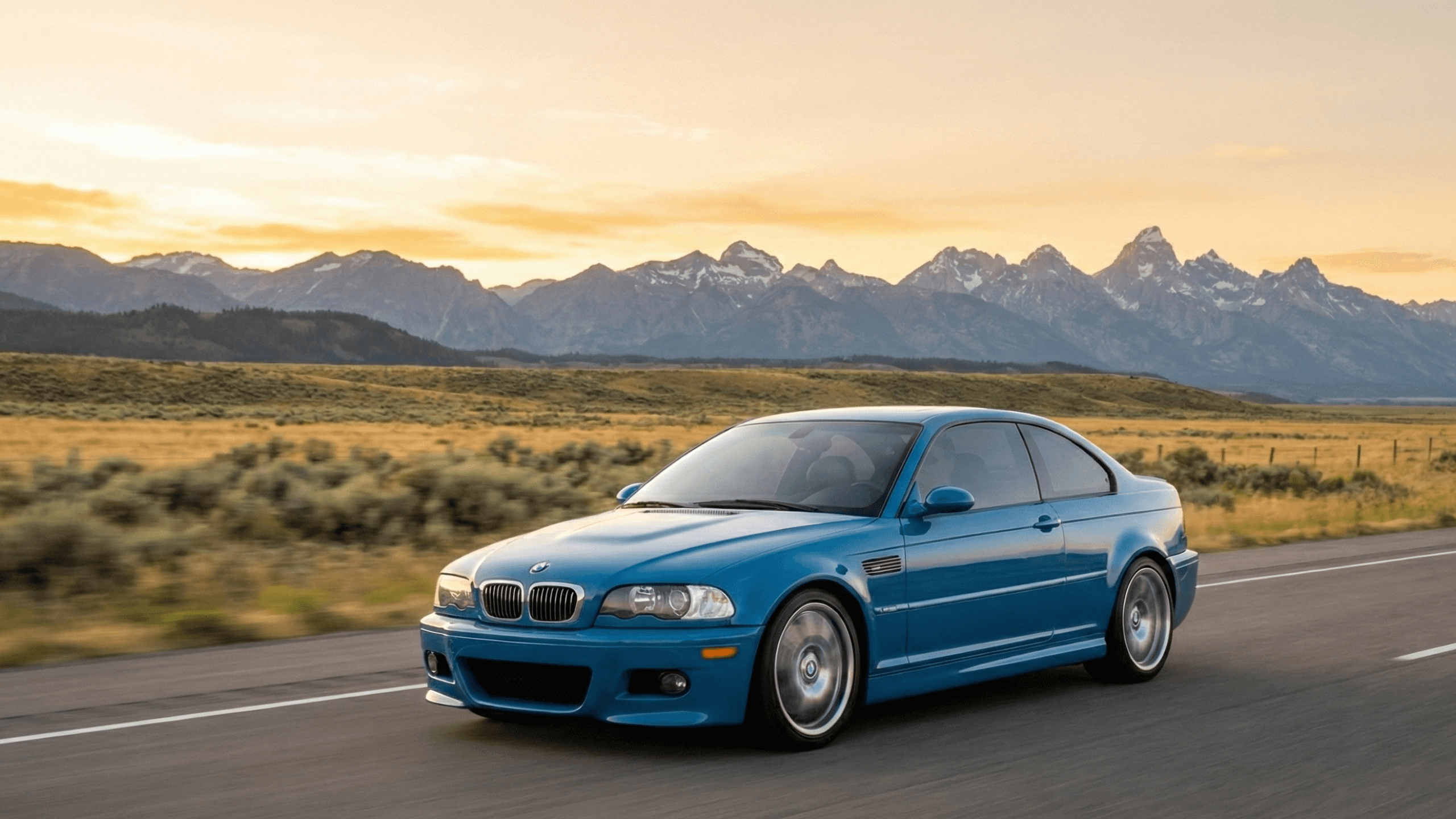
The BMW E46 M3 remains a high watermark for the M Division. Produced between 2001 and 2006, it represents the final evolution of the analog driving experience before the introduction of heavy electronic interference. It features a perfectly balanced chassis, a high-revving naturally aspirated inline-six engine, and timeless aesthetics. This guide serves as the authoritative resource for navigating the purchase of this modern classic in 2026.
Model Overview: The Pure M3
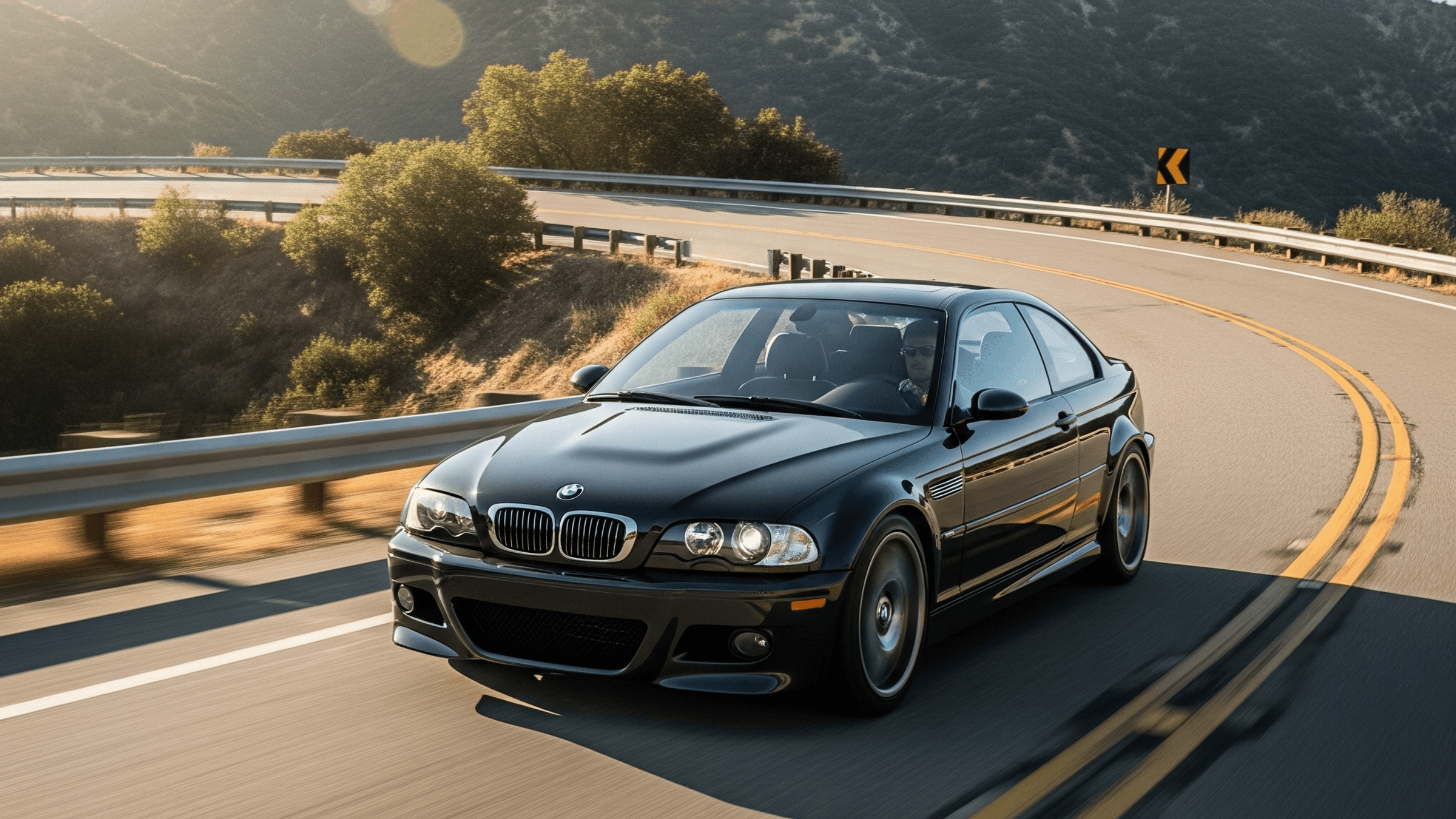
The E46 M3 was offered exclusively in coupe and convertible body styles. Unlike its predecessor and successor, BMW opted not to produce a sedan for this generation. This focused development resulted in a vehicle with a singular purpose: driver engagement. While it shares a basic silhouette with the standard 3 Series, the M3 utilizes unique body panels including flared fenders, a humped aluminum hood, and specific side skirts to accommodate its wider track and specialized cooling needs.
Model Year Changes and Facelifts
Unlike the standard E46 range, the M3 did not receive a traditional front-end facelift. It retained its original headlight and bumper design throughout the entire production run. Minor updates occurred during the 2003.5 model year, including the introduction of LED taillights and a wider trunk handle. Interior revisions for late-model cars included minor trim changes and updated navigation units.
Engine and Drivetrain: The S54 Inline-Six
The S54B32 engine is a 3.2-liter naturally aspirated inline-six and is frequently cited as one of the best engines ever produced.1 It features individual throttle bodies, a high-pressure VANOS system, and a redline of 8,000 RPM.
S54 Technical Specifications
Feature | Specification |
Displacement | 3.2 Liters |
Horsepower | 333 hp @ 7,900 RPM |
Torque | 262 lb-ft @ 4,900 RPM |
Compression Ratio | 11.5:1 |
Redline | 8,000 RPM |
Transmission Options: 6MT vs. SMG-II
6-Speed Manual (6MT): The Getrag S6S420G is the preferred choice for enthusiasts. It offers a mechanical connection and long-term reliability.
SMG-II (Sequential Manual Gearbox): This is a manual gearbox with an automated hydraulic clutch.2 It provides rapid shifts but is plagued by reliability concerns regarding the hydraulic pump and actuators. Many owners now choose to perform a manual conversion to eliminate these failure points.
Common Mechanical Issues: The Big Three
Prospective owners must account for three specific areas of concern that affect nearly every E46 M3. These are structural and mechanical vulnerabilities that require proactive management.
1. Rod Bearing Failure
The S54 engine was built with tight bearing clearances. Lack of lubrication or long oil change intervals leads to premature wear of the connecting rod bearings. If left unaddressed, the bearings can spin and destroy the crankshaft and engine block. Replacement is recommended every 60,000 to 80,000 miles as a preventative measure.
2. VANOS System Failure
The Variable NockenwellenSteuerung (VANOS) system controls valve timing. Over time, the internal seals degrade, solenoids fail, and the exhaust cam gear bolts can sheer off. A failing VANOS system typically produces a rattling sound similar to marbles in a tin can and results in a loss of low-end torque.
3. Rear Subframe Cracking
The sheet metal where the rear subframe mounts to the chassis is a known weak point. Continuous stress from the drivetrain causes the metal to fatigue and crack. This is a structural issue that requires the installation of reinforcement plates welded to the floor pan.
Chassis and Handling: Analog Precision
The E46 M3 is celebrated for its hydraulic steering rack and near 50/50 weight distribution. Maintaining this precision requires attention to the following components:
Front Control Arm Bushings (FCABs): These are common wear items that cause steering wobble and vague turn-in when they fail.
Rear Trailing Arm Bushings (RTABs): Worn RTABs lead to rear-end instability under hard acceleration or cornering.
Cooling System: Like most BMWs of this era, the radiator, water pump, and expansion tank are made of plastic and should be replaced every 60,000 miles to prevent overheating.
Exterior and Body: Identifying Quality
The E46 M3 is relatively resistant to rust, but specific areas require inspection:
Rear Arch Corrosion: Dirt and salt trap behind the plastic liners of the rear wheel arches, leading to rust.
Front Wing Rust: Moisture can accumulate at the bottom of the front fenders where they meet the side skirts.
Mirror Delamination: The glass in the side mirrors and the auto-dimming rearview mirror often leaks or discolors over time.
Interior and Electronics: Driver-Centric Design
The interior is focused on the driver, featuring high-bolstered seats and a thick-rimmed steering wheel.
Seat Bolster Wear: The Nappa leather on the driver-side bolster is prone to heavy wear and cracking from entry and exit.
Titanium Shadow Trim: The plastic coating on the interior trim pieces frequently peels or scratches.
Door Seals: The fabric seals around the doors often sag and require re-gluing or replacement.
Maintenance History and Documentation
A documented service history is the most valuable asset an E46 M3 can possess. Ensure the following services have been performed:
Inspection I and II: These are comprehensive services that include valve clearances, fluid changes, and thorough inspections. Valve adjustments are required every 30,000 miles.
Oil Changes: Enthusiasts recommend intervals of 5,000 miles using high-quality 10W-60 synthetic oil.
Subframe Inspection: A reputable specialist should provide a written report or photos confirming the absence of chassis cracks.
The Enthusiast Market: Rarity and Values
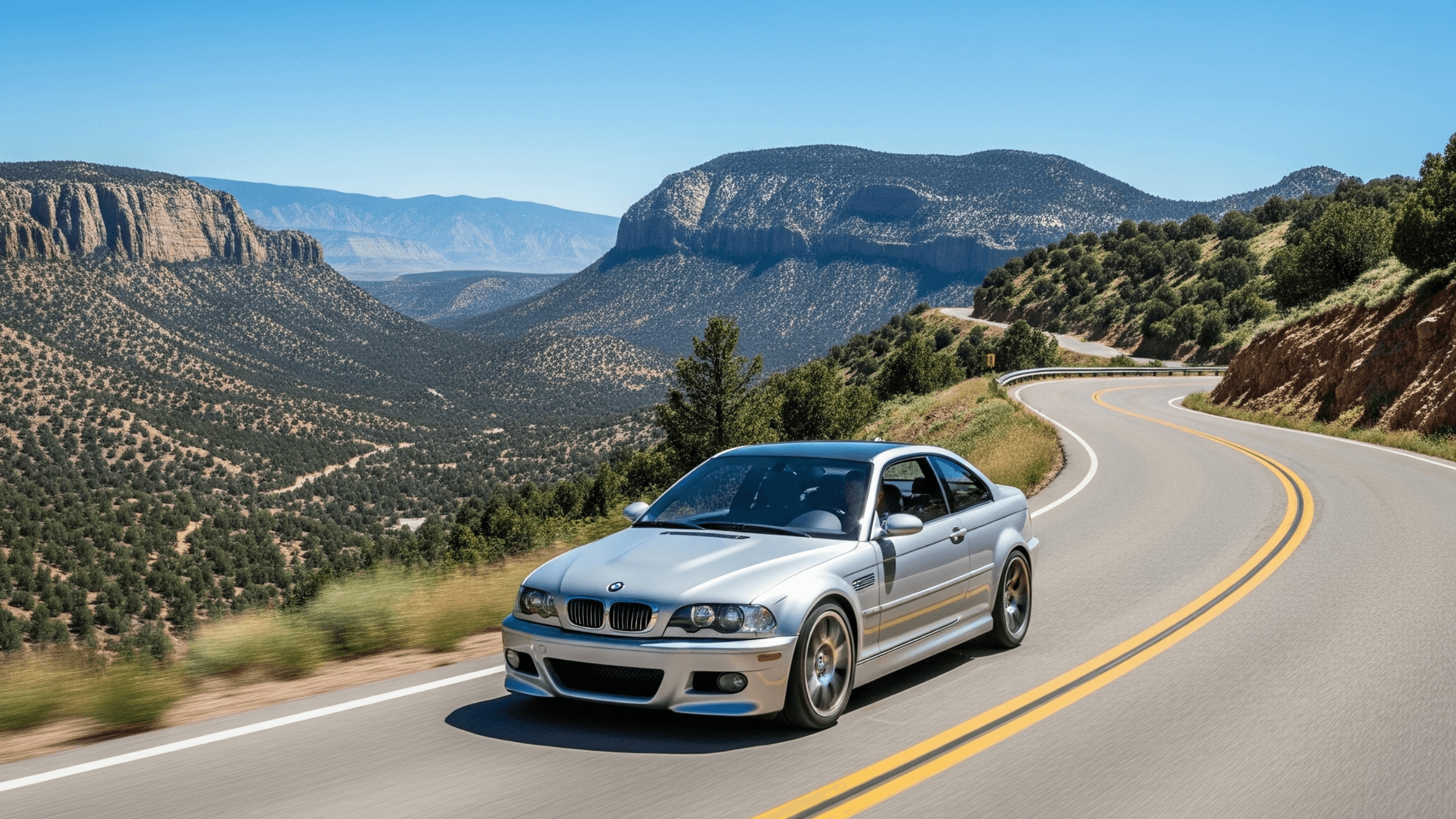
As of 2026, the E46 M3 is firmly in the appreciation phase. Collectors prioritize specific configurations that offer the purest experience.
Desirable Configurations
Competition Package (ZCP): Offered in 2005 and 2006, this package included CSL-derived wheels, larger brakes, a quicker steering rack, and M-Track mode.
The Slicktop: Cars ordered without a sunroof are rare and highly sought after for their increased structural rigidity and lower center of gravity.
Individual Colors: Colors like Laguna Seca Blue, Interlagos Blue, and Dakar Yellow command significant premiums.
Market Value Trends (2026 Estimates)
Condition | Mileage | Transmission | Estimated Price (USD) |
Driver Grade | 100k+ | SMG | $18,000 - $24,000 |
Enthusiast Grade | 60k - 90k | Manual | $35,000 - $45,000 |
Collector Grade | < 30k | Manual | $65,000 - $90,000+ |
ZCP / Competition | Any | Manual | +25% Premium |
The E46 M3 is a vehicle that rewards those who invest in its upkeep. While the maintenance costs are high compared to a standard vehicle, the driving experience remains unmatched in its price bracket. It is a masterpiece of mechanical engineering that continues to define the spirit of BMW M.