Jan 20, 2026
Ferrari F355 Buyer's Guide: The Jewel of Maranello
Experience raw Italian passion in the Ferrari F355. A guide to its screaming V8, gated shifts, and essential upkeep.
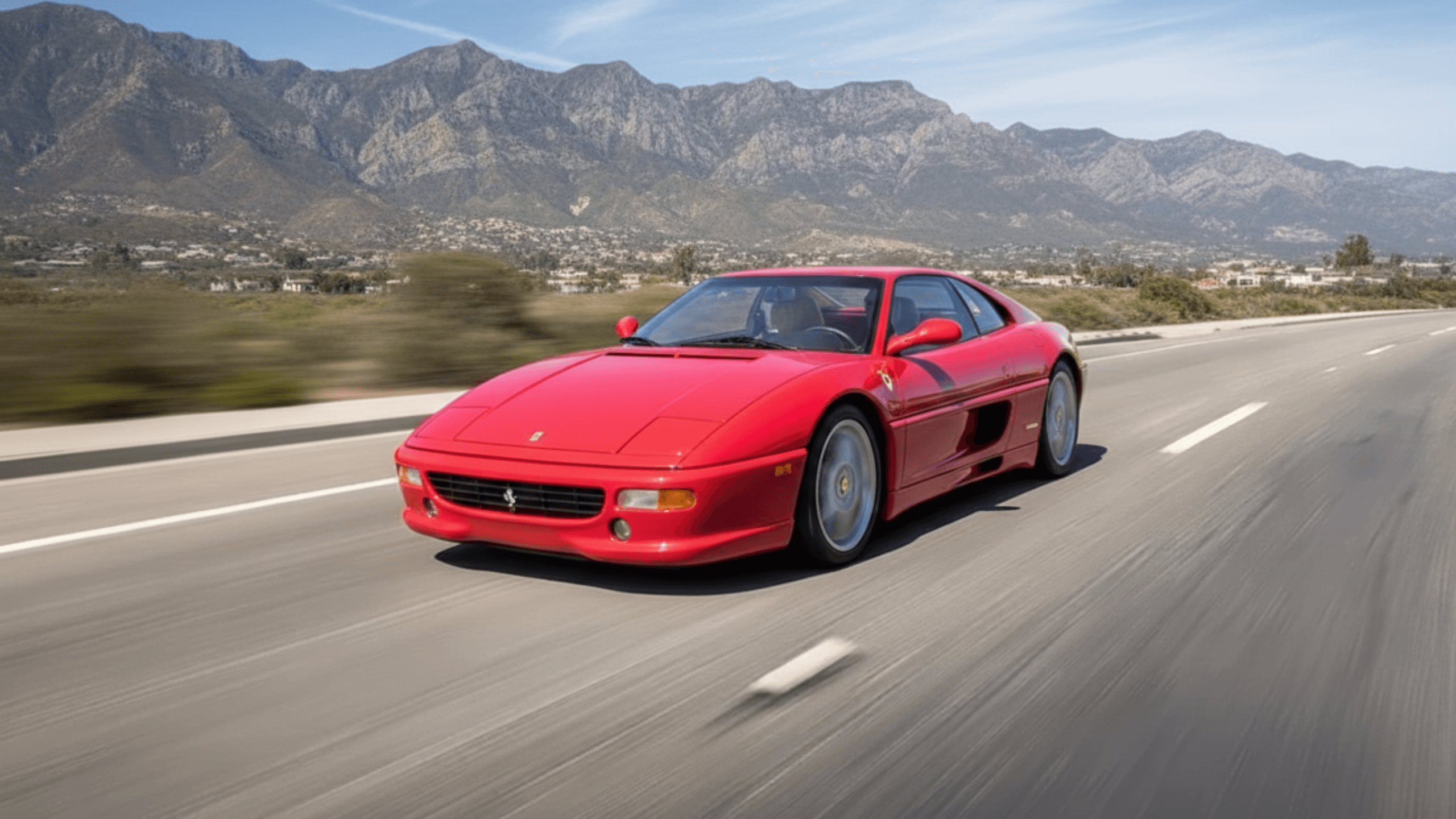
The Ferrari F355, produced between 1994 and 1999, represents a landmark shift for the Maranello brand. It succeeded the 348 and introduced a level of performance and refinement that bridged the gap between raw, analog Ferraris and the digital age. This model is widely regarded as the first modern Ferrari supercar due to its advanced aerodynamics and the debut of Formula 1 derived technology in a road car.
The lineup consists of three primary body styles. The Berlinetta provides the classic fixed-roof coupe experience and maximum structural rigidity. The GTS offers a removable targa top for open-air driving without sacrificing the coupe silhouette. The Spider features a fully powered soft-top for a traditional convertible experience. For the 2026 collector market, the F355 has matured into a blue-chip asset, valued for its high-revving engine note and timeless Pininfarina styling.
Engine and Drivetrain: The F129 V8 Powerplant
The F355 is powered by the F129B and F129C engine, a 3.5-liter 90-degree V8.1 This unit was a technical marvel at its launch, featuring five valves per cylinder (three intake and two exhaust). This configuration allows for exceptional high-RPM breathing and a distinctive, high-pitched exhaust note.
Technical Specifications and Drivetrain Options
Engine Code: F129B (Motronic 2.7) or F129C (Motronic 5.2).2
Power Output: 375 horsepower at 8,250 RPM.3
Torque: 268 lb-ft at 6,000 RPM.4
Transmissions: A 6-speed gated manual transmission or the F1-style automated manual.
Watch Out For: Mechanical Vulnerabilities
The F129 engine is high-strung and requires precision care. Potential buyers must investigate several known failure points.
Bronze Valve Guides: Early models, primarily from 1995, utilized bronze valve guides that wear prematurely.5 This leads to oil consumption and potential engine damage. Later cars moved to steel guides. A compression and leak-down test is mandatory during the Pre-Purchase Inspection (PPI) to verify cylinder health.
Exhaust Manifolds (Headers): The factory heat shields trap excessive heat, leading to cracked headers. This allows cold air to be sucked back into the engine, which can destroy the catalytic converters and eventually the engine. Many owners opt for aftermarket stainless steel headers from manufacturers like Tubi or Capristo.
Engine-Out Major Service: The timing belts on the F355 require replacement every three to five years. Due to the tight packaging, the entire engine and subframe assembly must be dropped from the car. This procedure is labor-intensive and serves as the primary maintenance cost driver.
Chassis and Handling Dynamics
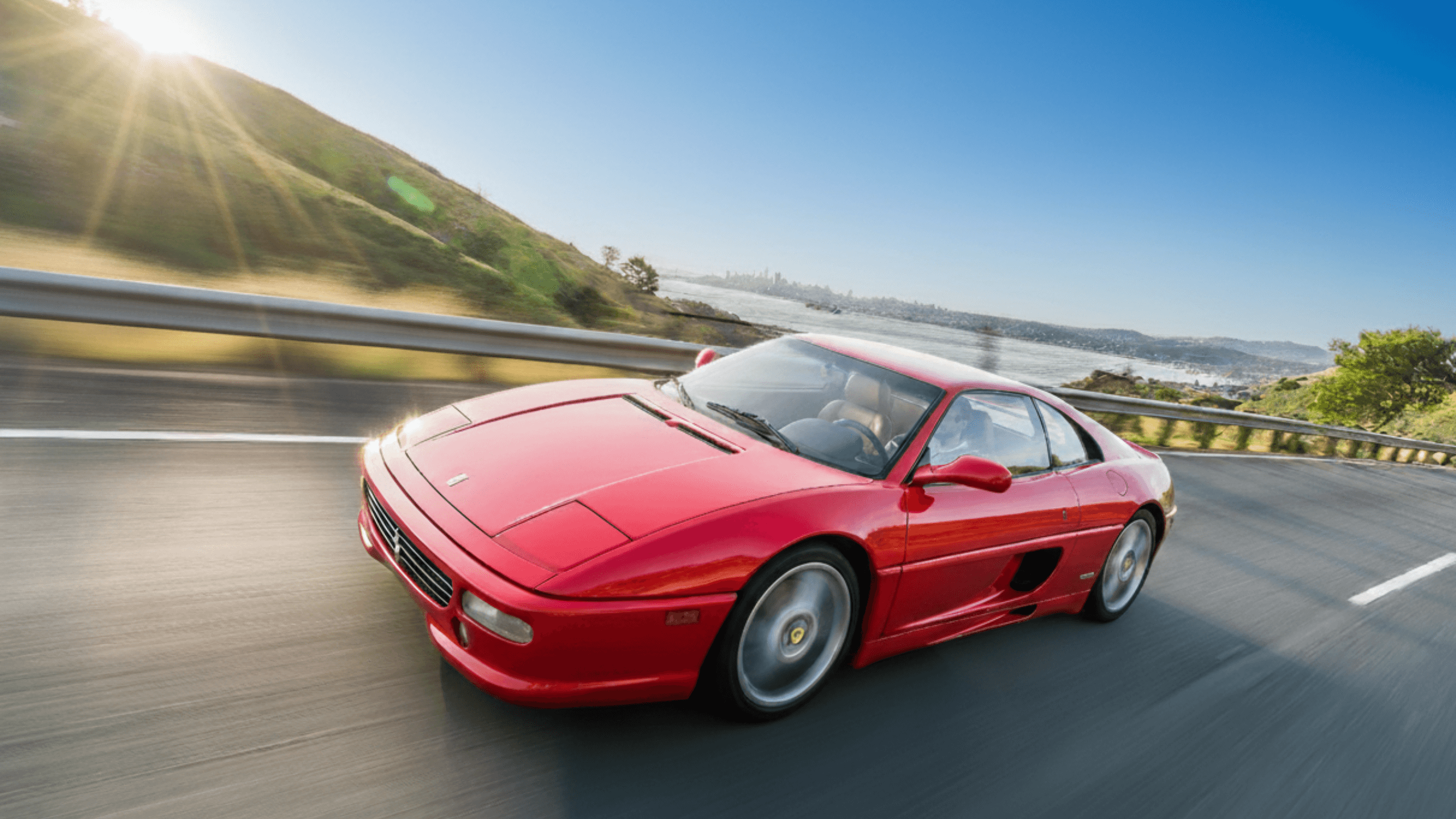
The F355 utilizes a steel monocoque with a tubular rear subframe. It introduced electronic damping with two modes, Comfort and Sport, which adjust the stiffness of the Bilstein shocks in real-time.
Handling Components and Inspection Points
Suspension Actuators: The electronic actuators atop the shocks are prone to gear failure. A warning light on the dash typically indicates an actuator that has stopped responding.
Braking System: The car features ATE four-piston calipers. While robust, the ABS control units can fail and are expensive to rebuild.
Magnesium Wheels: The standard wheels are made of magnesium. They are lightweight but susceptible to cracking if the car is driven over harsh potholes or if tires are mounted using improper equipment.
Exterior and Body: Identifying Structural Fatigue
The F355 design moved away from the strakes of the 1980s toward a more fluid, aerodynamic form. However, the body is not without its aging pains.
Critical Body Inspection Areas
Buttress Cracks: A common issue on Berlinetta and GTS models is cracking at the seam where the rear C-pillar (buttress) meets the quarter panel. This is caused by chassis flex and thermal expansion. Even after repair, these cracks often return.
Spider Top Hydraulics: The Spider top uses a complex hydraulic system. Leaks in the rams or failure of the main pump are common and costly. Furthermore, the seats must move forward automatically for the top to function. Failure of the seat potentiometers can disable the roof mechanism.
Corrosion: Check the door sills and the area around the rear window for bubbling, especially on cars from coastal or humid climates.
Interior and Electronics: The Ferrari Sticky Button Syndrome
Inside, the F355 is swathed in Connolly leather, providing a classic Italian luxury feel. However, materials of this era have specific degradation issues.
Common Interior Failures
Sticky Plastics: Ferrari applied a soft-touch coating to interior switches and trim that turns into a gooey, black mess over time. Professional restoration by specialists is the only permanent fix.
Dashboard Shrinkage: The leather on the dashboard, particularly around the vents and the passenger airbag cover, can shrink and pull away if exposed to excessive heat.
HVAC ECU: The climate control unit is a known failure point. If the unit stops responding or displays erratic temperatures, it usually requires an internal rebuild.
Maintenance History and Documentation Requirements
An F355 without a service binder is a liability. Buyers must verify the following items are current.
The Service Binder Checklist
Timing Belt History: Documentation must prove the engine-out service was performed within the last three years.
Valve Guide Verification: Records should indicate if the valve guides were ever replaced with steel units or if the car falls within the safe engine number range.
Header Replacement: Check for receipts of aftermarket headers or reconditioned factory units to ensure the engine is safe from exhaust leaks.
Recall Compliance: Verify the fuel line and water hose clamp recalls were performed to mitigate fire risks.
The Enthusiast Market and Investment Trends
The F355 has reached a stabilized collector status. In 2026, the market value is dictated primarily by the transmission type and the presence of rare options.
Collectibility Ratings
Variant | Market Status | Value Driver |
Gated Manual Berlinetta | Highly Coveted | Purest driving experience, highest appreciation potential. |
Serie Fiorano Spider | Collector Tier | Only 100 produced, features Challenge-spec handling parts. |
F1 Transmission (All) | Accessible Tier | Higher maintenance costs for the clutch, less desirable to purists. |
F355 Challenge | Track Specialist | Rare, non-street legal, requires specialized race support. |
Market Value Trends (2026 Projections)
The manual premium is absolute. A manual Berlinetta currently commands a 40% to 60% premium over an F1-equipped car. Low-mileage, well-documented examples in rare colors like Blu Pozzi or Grigio Titanio are the leaders in value growth.
The Serie Fiorano units are the ultimate prize for Spider enthusiasts, though most were delivered with F1 gearboxes. The rare 26 manual Serie Fiorano cars are among the most valuable F355s in existence.
The F355 requires a technician-led approach to purchase. A cheap F355 is almost always the most expensive one you will ever own.